Capri Suite (2025) Published
Congratulations to Dr. David W. Campo on the publication of his new work for chamber ensemble, Capri Suite, with Alias Press!
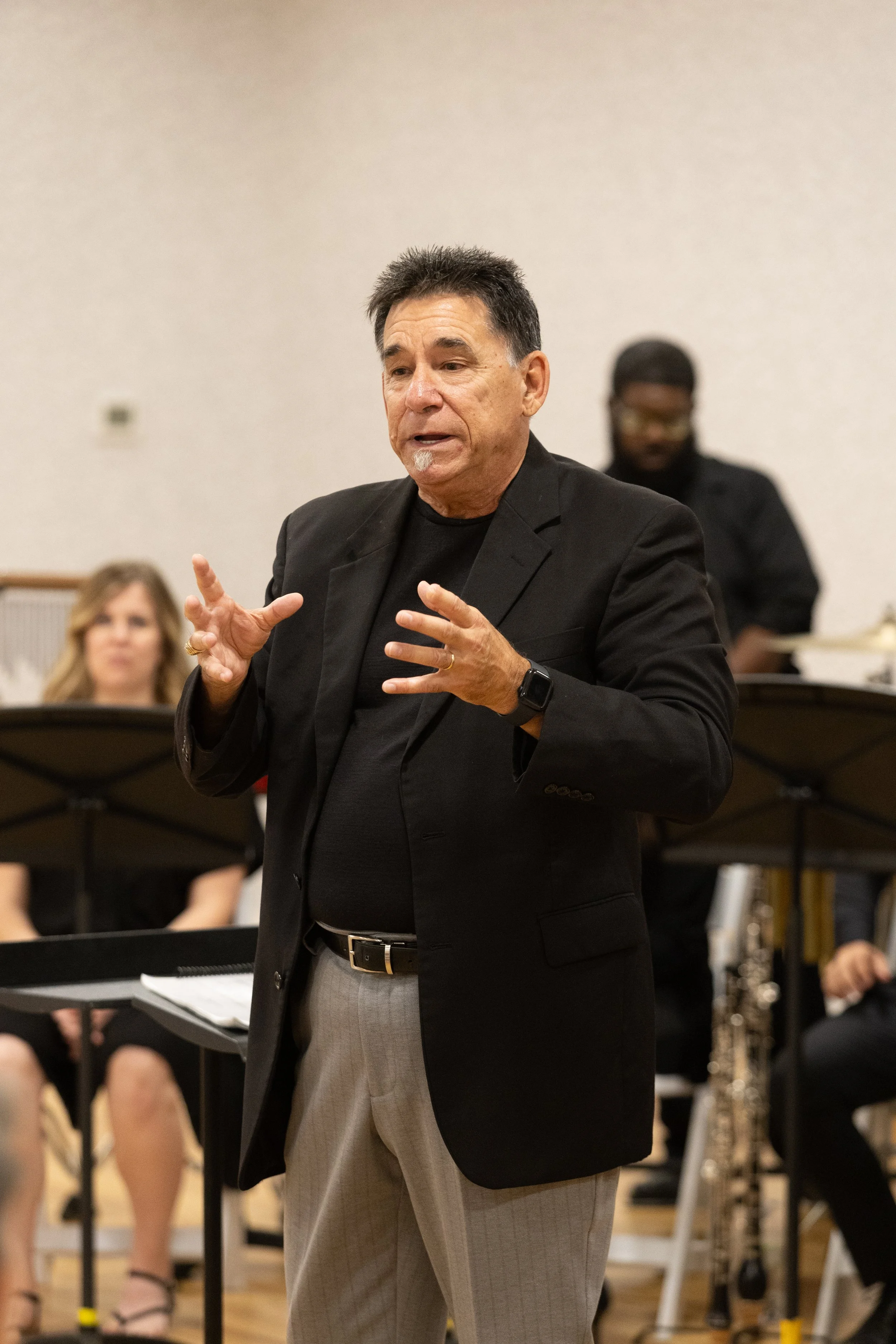
Dr. David W. Campo
Capri Suite (2025) was commissioned by Roy McLerran and the East Texas Chamber Winds to celebrate the tenth season of the ensemble. The work was inspired by Dr. Campo’s recent trip to the Island of Capri in Italy. Each movement represents a unique location on the island.
The first movement, Giardini di Augusto (Gardens of Augustus), was inspired by the gardens of the same name, which rest on a rocky cliffside, overlooking the Tyrrhenian Sea. Stately marble figures guard the entrance to the oasis and reach out from colorful flowerbeds along the winding path. Salty breezes rush through the branches of the lemon trees and fill the air with inviting floral notes. Among the stone sentinels stands Augustus, the first Roman emperor and an early patron of the island. Throughout his rein he frequently inhabited Capri and oversaw the construction of several roads, cisterns, villas, and museums. He found peace in the natural beauty of the place, and nicknamed it “the island of sweet idleness.”
The second movement represents the Grotta Azzura (Blue Grotto), a natural sea cave, accessible only by small rowboats. As sunlight creeps in through underwater openings in the rock, the cavern is illuminated from below, creating a stunning topaz glow. During the reign of Tiberius, stepson of Augustus, the cave was used as a marine temple and earned a reputation as a sacred place. An ethereal flute solo and the use of water glasses in this movement embody the thickness of the air and the sensation of floating. Unlike his predecessor, Tiberius was reclusive and suffered extended periods of gloom. In his later life, he became distrustful of his advisors and retreated to Capri. He hid himself on the island for nearly a decade but was ultimately unable to escape his enemies. A twisting figure, passed among the voices of the ensemble, hangs in the darkness like an unresolved question.
Since Roman times, the Marina Piccola (Little Harbor), has been used as a primary point of entry for the island and has recently become a popular beach destination. Rambunctious rhythms and distinct “calls” across the ensemble reflect the frenzied activity of fishermen unloading their daily haul while tourists clamor to the water’s edge. Adventure-seekers float towards the enchanted Fariglioni rocks that used to house dangerous mythical creatures such as sirens and were visited by heroes like Odysseus. Ascending figures in the upper voices embody turquoise waves leaping against white sailboats and swirling around large boulders protruding from the lagoon. The return of thematic material from the previous movements reminds the listener of the close proximity of the three locations on the island.
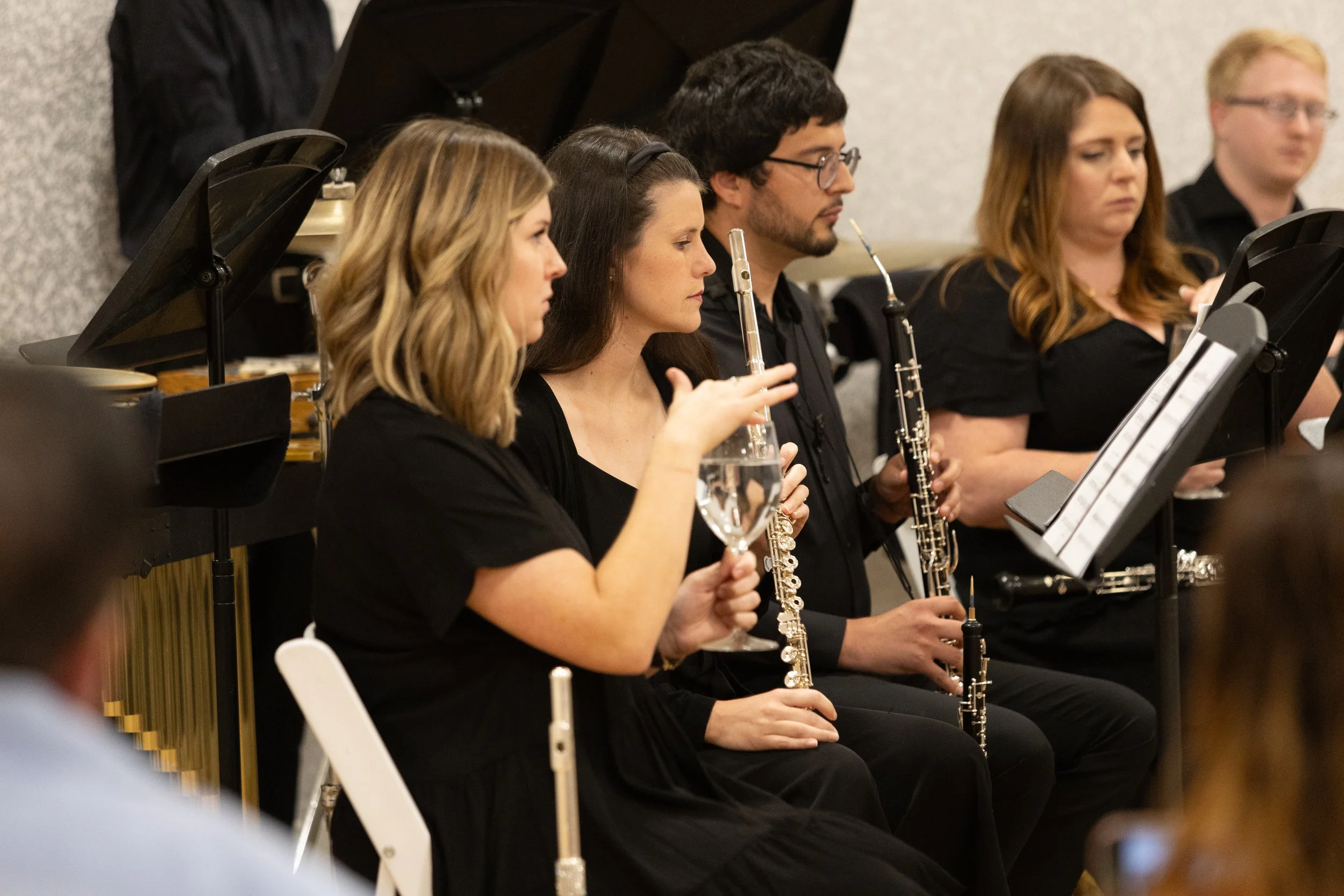
Water glasses to simulate the mystical waters of the Grotta Azzura (Blue Grotto).
Thank you again to the following university ensembles and individuals who contributed to the consortium:
Dr. Tyler Austin, Old Dominion University, VA
Dr. Craig McKenzie, University of Miami, FL
Dr. Tamey Anglley, Stephen F. Austin State University, TX
Dr. Jack Hontz, University of Alabama at Huntsville, AL
Paul and Natalia Arter
Patti and Rod McLerran
Rick and Sandi Russell
Dr. Jan and Terri Wubbena